
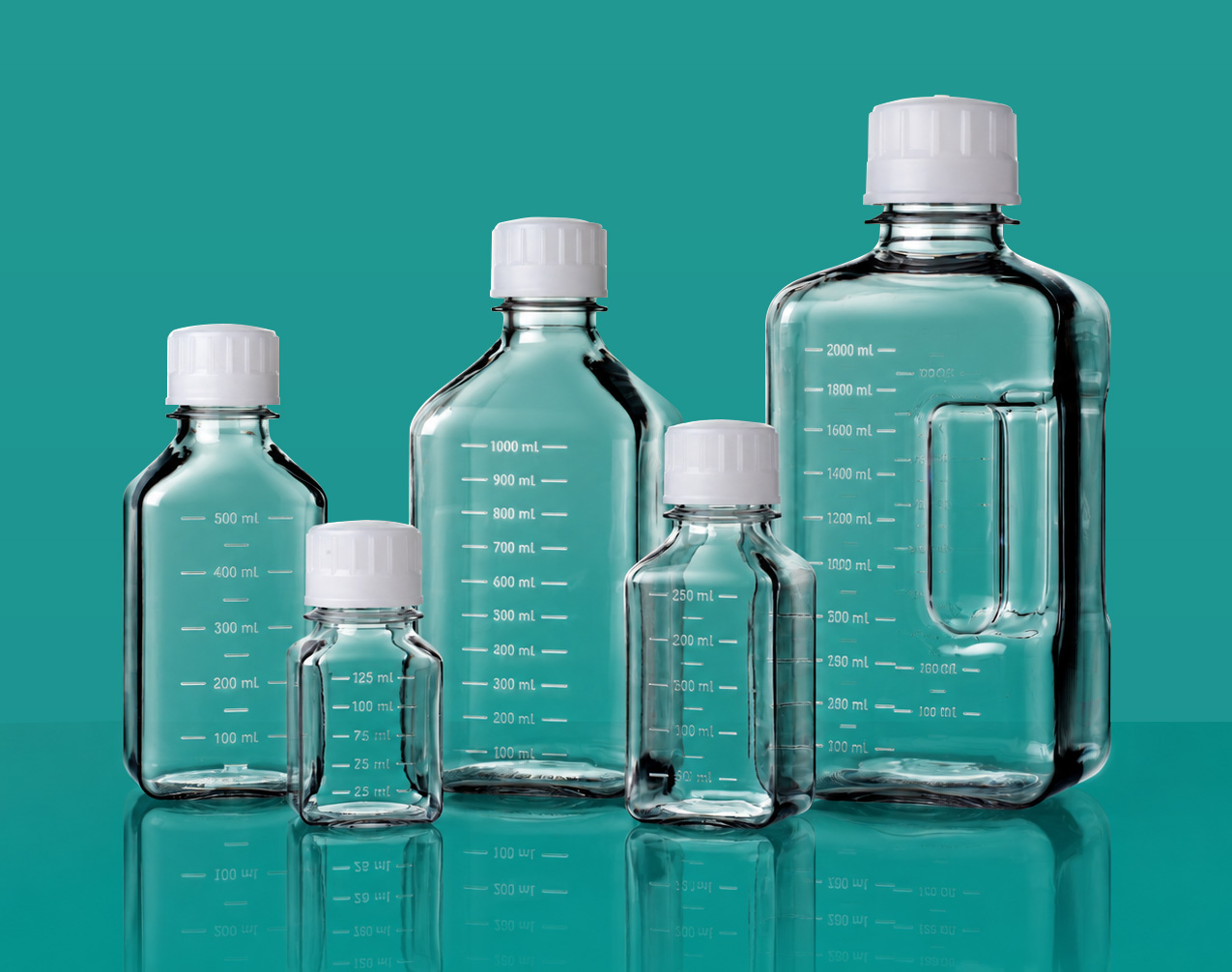
Sterile bottle assemblies are pre-configured fluid handling systems designed for the containment, transfer, sampling, and storage of biopharmaceutical process fluids. Typically consisting of a bottle, a closure, tubing, connectors, filters, and other optional componentry, these assemblies are manufactured in controlled environments and sterilized prior to delivery, allowing them to be used immediately in aseptic manufacturing operations.
As biopharmaceutical manufacturers increasingly adopt single-use technologies (SUTs), sterile bottle assemblies have become essential for maintaining product quality, reducing contamination risks, improving operational efficiency, and supporting compliance with current cGMP requirements.
One of the primary functions of sterile bottle assemblies is preserving the sterility of process fluids during handling. Closed-system designs minimize exposure to the manufacturing environment, reducing the likelihood of microbial ingress and particulate contamination. This is especially important when processing biologics, vaccines, cell therapies, and other sterile drug products, where contamination can result in batch loss with significant financial impact.
Biopharmaceutical manufacturing utilizing single-use technologies has transformed production by reducing the need for cleaning validations, lowering turnaround times, and enhancing manufacturing flexibility. Sterile bottle assemblies integrate seamlessly into disposable fluid management systems, allowing manufacturers to rapidly configure process equipment while minimizing downtime between production campaigns.
Unlike reusable containers, disposable sterile bottle assemblies are intended for single run manufacturing. Their use eliminates residual product carryover between batches, making them particularly valuable in multi-product manufacturing facilities like Contract Development Manufacturing Organizations (CDMOs). Because sterile bottle assemblies are pre-assembled and sterilized, they require less labor typically associated with assembly, sterilization, and equipment preparation. This shortens production setup times while simplifying manufacturing workflows and reducing opportunities for operator error.
Key Applications for Bottle Assemblies
Media Preparation and Storage
Cell culture media must remain sterile prior to introduction into bioreactors. Sterile bottle assemblies are commonly used to:
- Store prepared media
- Transfer media between preparation and production areas
- Dispense media into bioreactors
- Maintain sterility during storage and transport. These assemblies often incorporate vent filters to allow for pressure equalization while still preventing microbial ingress
Buffer Preparation and Distribution
Buffers are required throughout upstream and downstream processing for chromatography, filtration, and clearance operations.
- Chromatography equilibration buffers
- Wash buffers
- Elution buffers
- Viral filtration buffers
- Formulation buffers
Process Intermediate Collection
During manufacturing, intermediates are frequently collected between unit operations.
- Clarified harvest
- Filtered solutions
- Chromatography fractions
- Process hold samples
- Permeates
Sterile Sampling
Routine sampling is essential for monitoring critical quality attributes and process performance.
- Bioburden testing
- Cell density measurements
- Metabolite analysis
- Protein concentration determination
- In-process quality control testing
Filtration Operations
Bottle assemblies are frequently integrated with membrane filters for sterile filtration of solutions before downstream processing or final formulation.
- Media sterilization
- Buffer sterilization
- Small-volume product filtration
- Laboratory-scale process development
- PUPSIT assemblies
Final Drug Product Preparation
During formulation, sterile bottle assemblies may be used to temporarily hold bulk drug product prior to filling operations. Sterile bottle assemblies can be customized to meet specific process requirements with:
- Aseptic quick-connect fittings
- Vent filters
- Multiple tubing configurations
- Tamper-evident closures
- Gamma sterilization compatibility
- Cold storage compatibility
Sterile bottle assemblies have become indispensable in modern bioprocess manufacturing across many therapeutic modalities. By providing sterile, closed, and disposable fluid handling solutions, they support critical manufacturing operations across a range of processing steps. Their integration improves operational efficiency, reduces contamination risk, and helps manufacturers meet stringent quality and regulatory expectations. As the development of new biologics, cell therapies, and other advanced therapeutics continue to expand, sterile bottle assemblies will continue to be a key enabling technology for flexible, efficient, and reliable pharmaceutical manufacturing.